


Gate Valve Disc Casting
Kaifeng High and Middle Pressure Valves Co., Ltd was established in 2004 with a registered capital of 110 million. The factory with an area of 30,000 square meters, 98 employees and 38 technicians. Its main business is to produce and sell high and low pressure industrial valves with an annual output value of 70 million. It is the Member of council in the China Valve Association. Kaifeng Dongli High Pressure Valve Casting Co., Ltd was established in 2007 with a registered capital of 27 million, a factory area of 18,000 square meters, 120 employees and 26 technicians. Its main business is to produce and sell high and low pressure industrial valve steel castings with an annual production capacity of 5,500 tons. It is the Member of council in Henan Casting and Forging Association. Kaifeng Ruiwei Fluid Technology Co., Ltd was established in 2017 with a registered capital of 2 million yuan, 50 employees and 48 technicians. Its main business includes research and development of flow control equipment, technology transfer, technology support ,research and development of new materials for valves.
Why Choose Us?
Our Factory
Our factory covers an area of 30,000 square meters and employs 98 people, including 38 technicians. We specialize in producing and selling high- and low-pressure industrial valves, with an annual output value of 70 million yuan. We are a council member of the China Valve Association. Kaifeng Dongli High Pressure Valve Casting Co., Ltd. was established in 2007 with a registered capital of 27 million yuan.
Production Equipment
Main Production Equipment: 5T medium frequency furnaces, 2.5T medium frequency furnaces, 0.75T medium frequency furnaces, the resin sand flask molding lines with German technology, multiple shot-blasting machines, heating treatment furnaces, full set of model making and excellent mechanical processing equipment.
Production Market
We are a supplier to China’s five major power generation groups, including CNPC, CNP, Daya Bay Nuclear Power Station, and Qinshan Nuclear Power Station. We are also a leading casting supplier for Velen in Canada, Warren in the U.S., JC in Spain, Haguo Group, Wuguo Group, Terrence Valve, and BST Valve.
Our Service
Pre-sales service includes providing customers with selection and technical services.In-sale service includes in the manufacturing process, we providing customers with one-stop service of instant production progress, storage delivery,efficient transportation, on-site installation guidance and debugging.After-sales service includes one-year time of warranty, 24-hours response and solved within 72-hours .


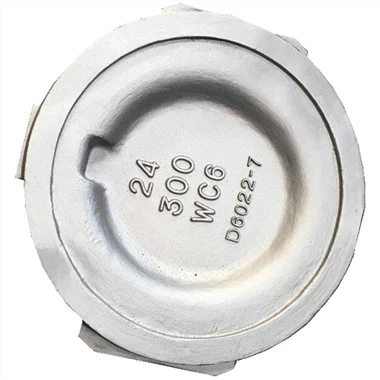
The gate valve disc is a crucial component in the design of a gate valve, and its importance cannot be overstated. The disc is responsible for controlling the flow of fluid through the valve and plays a critical role in maintaining the safety and efficiency of various industrial processes. One of the most significant advantages of a gate valve disc is its ability to create a tight seal when the valve is closed. This is essential for preventing leaks and ensuring the safe and efficient transport of fluids. The disc fits snugly against the valve seat and is designed to withstand high pressures and temperatures, making it an ideal choice for use in various applications. In addition to its sealing capabilities, the gate valve disc is also designed to withstand the wear and tear that can occur over time. This is important for ensuring the longevity and reliability of the valve. The disc is typically made from high-quality materials, such as stainless steel, cast iron, or brass, that are resistant to corrosion and other forms of damage.
Gate valve disc casting refers to the process of manufacturing the disc component of a gate valve. The disc is the part that moves within the valve body to control the flow of fluid. Common materials used for gate valve disc casting include cast iron, steel, stainless steel, and alloys. The casting process involves several steps, including mold preparation, melting the metal, pouring the molten metal into the mold, and allowing it to cool and solidify. The quality of the gate valve disc casting is crucial for the performance and reliability of the valve. It should have good mechanical properties, durability, and sealing capabilities.
Advantages of Gate Valve Disc Casting
Material Properties: The choice of casting material depends on the application and requirements of the gate valve. The casting process can achieve desired material properties, such as strength, hardness, and corrosion resistance, depending on the selected metal or alloy.
Complex Geometries: Complex shapes and features can be incorporated into the disc during casting, providing enhanced flow control and sealing capabilities. The mold is designed to shape the metal into the desired geometry of the disc.
Cost-effective Manufacturing: Casting is often a relatively cost-efficient method of producing large quantities of discs, especially for standard valve designs.
Durability: Well-cast discs can withstand high pressures, temperatures, and corrosive environments, ensuring long service life. The gate valve disc casting process ensures consistent quality and performance across multiple discs produced.
Easy Maintenance And Repair: If a disc needs replacement, it can be done relatively easily by replacing the cast component.
The Common Materials Used for Gate Valve Disc Casting
The choice of material depends on factors like the operating conditions (pressure, temperature, and fluid type), corrosion resistance needs, and mechanical demands of the gate valve disc casting. It's important to note that the material selection is typically based on a balance between performance, cost, and availability. The final choice also considers industry standards and specific project requirements. Common materials used for gate valve disc casting include:
Cast Iron
It offers good mechanical strength and is relatively inexpensive. It's suitable for low-pressure and non-corrosive applications.
01
Steel
Steel provides higher strength and durability, making it suitable for higher-pressure and corrosive environments.
02
Stainless Steel
Known for its corrosion resistance, stainless steel is often used in demanding applications where exposure to corrosive fluids is a concern.
03
Bronze And Brass
These alloys offer good corrosion resistance and mechanical properties. They are commonly used in valves handling non-corrosive fluids.
04
Special Alloys
TDepending on the specific requirements, alloys such as Monel, Inconel, or Hastelloy may be used for high-temperature, corrosive, or exotic applications.
05
Gate Valve Disc Casting Process
The construction of gate valve disc casting typically involves the following steps:

Mold Preparation: A mold is created to shape the disc. This can be done using sand molding, investment casting, or other suitable molding techniques.
Metal Selection: The appropriate metal or alloy is chosen based on the required properties, such as strength, corrosion resistance, and temperature tolerance.
Melting The Metal: The selected metal is melted in a furnace or crucible to a liquid state.
Pouring The Metal: The molten metal is carefully poured into the mold, filling the cavity that will form the disc.
Cooling And Solidification: The metal is allowed to cool and solidify inside the mold. This process can take several hours or more, depending on the size and complexity of the gate valve disc casting.
Post-processing: After solidification, the cast disc may undergo additional steps such as cleaning, machining, heat treatment, or surface finishing to meet specific requirements.
Inspection And Quality Control: The gate valve disc casting is thoroughly inspected to ensure it meets the desired specifications and quality standards.

Common Types of Gate Valve Disc Casting
Flat gate disc
This is the simplest and most common type. Flat gate disc has a flat surface that makes a perpendicular seal with the seat when closed. Shut-off is obtained by the free-floating seat or disk gate allow the upstream pressure to seal the seat and disk against any unwanted seat leakage.
Rising stem gate disc
The disc is attached to a rising stem that moves vertically within the valve body. Rising stem gate disc allows for visual indication of the valve's position.
Non-rising stem gate disc
In this type, the stem does not rise as the disc moves. Non-rising stem gate disc is suitable for applications where space is limited.
Wafer-type gate disc
These discs are thin and designed to be installed between flanges, making them compact and suitable for inline installations.
Conical gate disc
The disc has a conical shape, providing better sealing and flow control in certain applications.
Split gate disc
It consists of two or more sections that can be separated for easy maintenance or to accommodate large diameters.
When using gate valve disc casting, here are some important things to consider:
Operating Conditions: Understand the pressure, temperature, and fluid properties of the system to ensure the casting material can withstand the conditions.
Sealing Performance: The disc should provide a tight seal to prevent leakage. Check the sealing mechanism and ensure it is in good condition.
Material Compatibility: Make sure the casting material is compatible with the fluid being handled to avoid corrosion or other material interactions.
Installation And Maintenance: Follow the manufacturer's instructions for proper installation and maintenance of the gate valve disc casting.
Inspection and testing
Regularly inspect the valve and disc for any signs of damage, wear, or leaks. Perform necessary tests to ensure its proper functioning.
Lubrication
If required, apply the appropriate lubricant to the moving parts of the valve to ensure smooth operation.
Compatibility with other components
Ensure the gate valve disc casting is compatible with the valve body, stem, and other components within the valve assembly.
What Is the Life Expectancy of a Gate Valve Disc Casting?
The life expectancy of a gate valve disc casting can vary depending on several factors, including the quality of the casting, the operating conditions, the frequency of use, and the maintenance it receives. Generally, well-made gate valve disc castings can last for many years under normal operating conditions. However, the actual lifespan can be influenced by factors such as the type of metal or alloy used, the level of stress and wear it undergoes, and the corrosive nature of the fluid passing through the valve.
Regular maintenance and inspection can help extend the life of the disc casting. To estimate the life expectancy more accurately, it's best to refer to the manufacturer's specifications and guidelines. They often provide information on the expected lifespan based on their testing and experience. It's important to note that proper installation, operation, and maintenance play a crucial role in maximizing the lifespan of the gate valve disc casting. If any signs of damage or wear are noticed, it's advisable to have the valve inspected and repaired or replaced as needed.
How to Maintain Gate Valve Disc Casting?
Proper maintenance of the gate valve disc casting helps extend its lifespan and ensures reliable performance. To maintain gate valve disc casting, you can follow these general steps:
Inspect the disc for any signs of damage, corrosion, or wear. Check for leaks or any unusual noises during operation.
Perform functional tests on the valve to ensure it operates smoothly and seals properly.
The company is a 'Member of China Interior Decoration Association', 'National Excellent Enterprise in Check and clean the valve seat periodically to ensure a proper seal. Replace the seat if it shows signs of wear or damage..
Keep the disc and surrounding areas clean. Remove any debris or contaminants that may affect the sealing or operation of the valve.
Apply appropriate lubrication to the moving parts of the valve, such as the stem and bearings, as recommended by the manufacturer.
How Many Turns Does a 10 Inch Gate Valve Disc Casting Have?
|
SERIES 2500/2500-1 |
||
|
Valve Size |
2" |
10" |
|
No. of Turns to Open |
9 |
32 |
Can Gate Valve Disc Casting Be Repaired?
Gate valve disc casting can often be repaired, depending on the extent of the damage. Some common repair methods include:
Welding and fabrication
Small cracks or defects can sometimes be repaired by welding. Specialized welding techniques and materials may be required.
Machining and grinding
Surface damage or wear can be removed by machining or grinding the disc to restore its shape and dimensions.
Seat replacement
If the valve seat is damaged, it can sometimes be replaced rather than the entire disc.
Rebuilding or coating
In some cases, the disc can be rebuilt or coated with a protective material to enhance its durability.

What Are the Common Causes of Gate Valve Disc Casting Damage?
Corrosion: Exposure to corrosive fluids or environments can cause rust and degradation of the casting.
Overloading Or Excessive Stress: Excessive pressure or mechanical stress on the disc can lead to cracks or deformations.
Improper Installation Or Operation: Improper alignment, rough handling, or incorrect use of the valve can result in damage to the disc.
Wear And Tear: Frequent opening and closing of the valve can cause normal wear and eventually lead to damage.
Impact Or Shock: Physical impacts, such as from debris or rough handling, can damage the disc.
Material Defects Or Manufacturing Issues: Defects in the casting material or manufacturing processes can compromise the integrity of the disc.
Temperature Extremes: Extreme temperatures can cause the disc to expand or contract, potentially leading to cracks or other damage.
Can Gate Valve Disc Casting Be Replaced?
Replacement is often necessary when the disc is damaged beyond repair or when it's no longer suitable for the specific application or operating conditions. The process of replacing the gate valve disc casting typically involves the following steps:
Shutdown And Isolation: Ensure the valve and the surrounding system are properly shut down and isolated to allow safe replacement.
Removal Of The Old Disc: Depending on the valve design, the old disc may need to be disassembled or removed using specific tools or procedures.
Inspection Of The Valve Body: Check the valve body and other components for any damage or wear that may need attention during the replacement.
Installation Of The New Disc: Install the new casting disc following the manufacturer's instructions and ensure proper alignment and fastening.
Testing And Inspection: After replacement, perform functional tests to ensure the gate valve disc casting operates correctly and there are no leaks.

The Common Cleaning Methods for Gate Valve Disc Casting
Manual Cleaning: Use a soft brush, cloth, or non-abrasive sponge to remove dirt, debris, or light contaminants from the surface of the disc. This can be done with mild soap and water or appropriate cleaning solutions.
Chemical Cleaning: For more stubborn contaminants, you can use appropriate chemical cleaners or solvents.
Ultrasonic Cleaning: Ultrasonic cleaning devices can be used to remove contaminants from the disc. The ultrasonic waves create tiny bubbles that agitate and remove dirt and debris from hard-to-reach areas.
Pressure Washing: In some cases, low-pressure water washing can be effective in removing stubborn contaminants. However, be cautious not to use high-pressure washers that could potentially damage the gate valve disc casting.
Steam Cleaning: Steam cleaning can be used for sanitization and removal of light contaminants. It helps to dissolve and flush out dirt and debris.
Our Factory
Kaigao Industrial Technology Co., Ltd was established in 2020 with the following investors: Kaifeng High and Middle Pressure Valve Co.,Ltd. Kaifeng Dongli High Pressure Valve Casting Co., Ltd. and Kaifeng Ruiwei Fluid Technology Service Co. The main business includes sales of industrial valves and castings produced in three factories.


Video
Ultimate FAQ Guide to Gate Valve Disc Casting