


Power Station Valve
Kaifeng High and Middle Pressure Valves Co., Ltd was established in 2004 with a registered capital of 110 million. The factory with an area of 30,000 square meters, 98 employees and 38 technicians. Its main business is to produce and sell high and low pressure industrial valves with an annual output value of 70 million. It is the Member of council in the China Valve Association. Kaifeng Dongli High Pressure Valve Casting Co., Ltd was established in 2007 with a registered capital of 27 million, a factory area of 18,000 square meters, 120 employees and 26 technicians. Its main business is to produce and sell high and low pressure industrial valve steel castings with an annual production capacity of 5,500 tons. It is the Member of council in Henan Casting and Forging Association. Kaifeng Ruiwei Fluid Technology Co., Ltd was established in 2017 with a registered capital of 2 million yuan, 50 employees and 48 technicians. Its main business includes research and development of flow control equipment, technology transfer, technology support ,research and development of new materials for valves.
Why Choose Us?
Our Factory
Our factory covers an area of 30,000 square meters and employs 98 people, including 38 technicians. We specialize in producing and selling high- and low-pressure industrial valves, with an annual output value of 70 million yuan. We are a council member of the China Valve Association. Kaifeng Dongli High Pressure Valve Casting Co., Ltd. was established in 2007 with a registered capital of 27 million yuan.
Production Equipment
Main Production Equipment: 5T medium frequency furnaces, 2.5T medium frequency furnaces, 0.75T medium frequency furnaces, the resin sand flask molding lines with German technology, multiple shot-blasting machines, heating treatment furnaces, full set of model making and excellent mechanical processing equipment.
Production Market
We are a supplier to China’s five major power generation groups, including CNPC, CNP, Daya Bay Nuclear Power Station, and Qinshan Nuclear Power Station. We are also a leading casting supplier for Velen in Canada, Warren in the U.S., JC in Spain, Haguo Group, Wuguo Group, Terrence Valve, and BST Valve.
Our Service
Pre-sales service includes providing customers with selection and technical services.In-sale service includes in the manufacturing process, we providing customers with one-stop service of instant production progress, storage delivery,efficient transportation, on-site installation guidance and debugging.After-sales service includes one-year time of warranty, 24-hours response and solved within 72-hours .
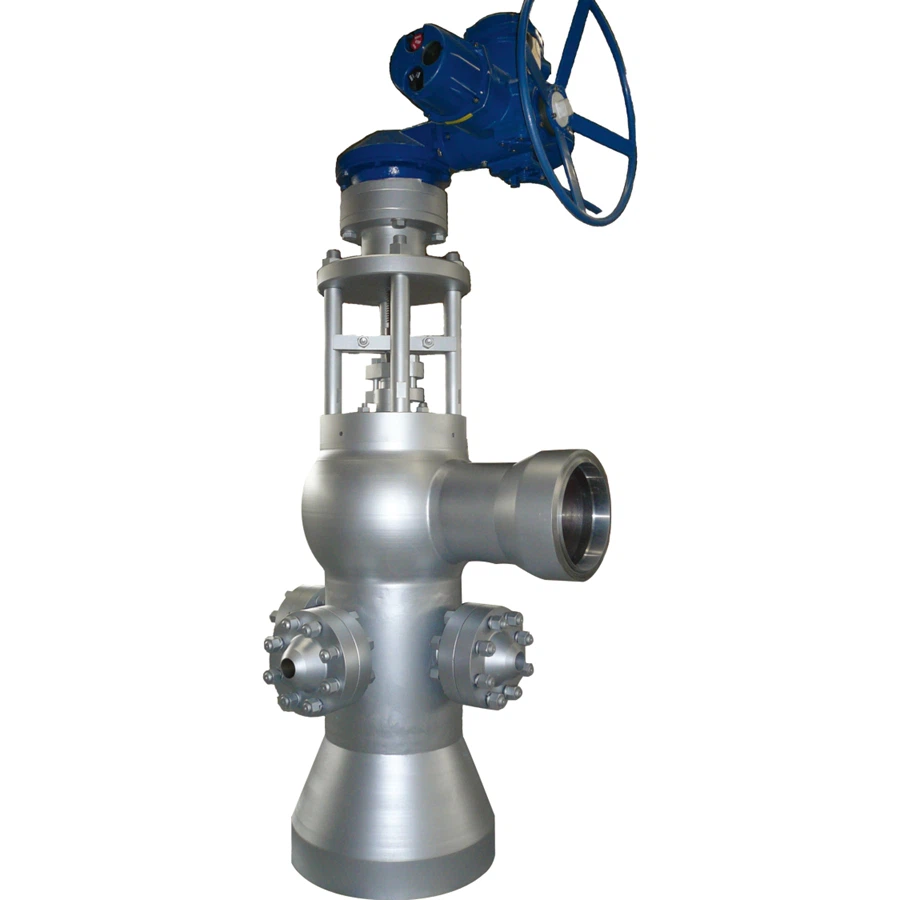

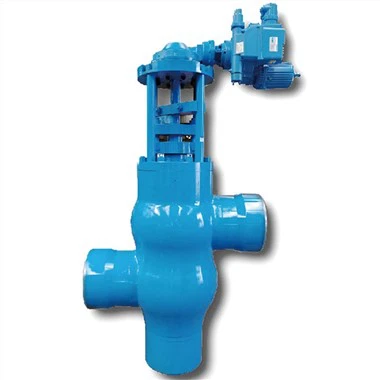


Power station valves refer to various valves used in power stations, mainly used to control the flow and pressure of fluid media (such as water, steam, gas, etc.) in the power station to ensure the normal operation and safety of the power station. Power station valves are usually required to have the characteristics of high temperature, high pressure, corrosion resistance, and reliable sealing. Common power station valves include globe valves, regulating valves, check valves, safety valves, and pressure reducing valves. Power station valves are widely used in various types of power stations such as thermal power, nuclear power, hydropower, and wind power, and are one of the indispensable and important equipment in power stations.
Definition of Power Station Valve
A power station valve is a type of valve specifically designed and used in power generation plants. It plays a crucial role in controlling and regulating the flow of various fluids, such as steam, water, oil, or gas, within the power station.Power station valves are typically engineered to handle high pressures, temperatures, and demanding operating conditions. They are used in various systems and processes within a power plant, including steam generation, turbine control, heat exchangers, and water treatment.
Advantages of Power Station Valve
Flow Control: Power station valves allow for precise regulation of the fluid flow, enabling optimal performance of the power station systems.
Lsolation And Shut-off: Power station valves can isolate specific sections of the plant for maintenance or to prevent fluid from flowing in the wrong direction.
System Protection: They help protect the integrity of the power generation equipment by preventing damage from excessive pressure or other abnormal conditions.
Energy Efficiency: Power station valve selection and operation can contribute to energy optimization, reducing losses and improving overall efficiency.
Flexibility And Modulation: Power station valves provide the ability to adjust and modulate the flow, allowing for better control and adaptability to changing conditions.
Safety: Power station valves play a crucial role in ensuring the safety of the power station by controlling pressure, preventing leaks, and protecting equipment from overpressure.
Parts of Power Station Valve
The parts of a power station valve can vary depending on the specific valve type, but here are some common components:
Valve Body: This is the main structure of the power station valve that houses the internal components and provides the fluid passage.
Disc Or Plug: Depending on the valve type, there may be a disc (e.G., in gate valves) or a plug (e.G., in ball valves) that regulates the flow by moving within the valve body.
Seals And Gaskets: These are used to prevent leaks and ensure a tight seal between the moving parts and the valve body.
Stem or Shaft: The stem connects the disc or plug to the actuator and allows for movement to control the valve opening and closin.
Actuator: This component operates the valve, either manually (e.G., hand wheel) or automatically (e.G., motor, pneumatic actuator).
Bearings And Bushings: They support the moving parts and reduce friction.
Seats: The seats are the contact surfaces that seal against the disc or plug to prevent fluid leakage.
Connections: The power station valve is typically connected to the piping system using flanges, threads, or other types of connections.
Packing Or Sealant: Used to seal the stem to prevent fluid leakage around the stem.
Main Functions of Power Station Valve
Power station valves come in different types, such as gate valves, globe valves, ball valves, and butterfly valves, each with its own characteristics and application suitability. The selection of power station valves depends on factors like the fluid being handled, pressure and temperature conditions, and the specific requirements of the system. Reliability, durability, and proper sealing are essential considerations in power station valve design. The main functions of power station valves include:

Flow control
Regulating the flow of fluids to ensure optimal performance of the power generation equipment.

Isolation
Shutting off or isolating specific sections of the plant for maintenance or safety purposes.

Pressure regulation
Maintaining desired pressure levels within the systems.

Safety protection
Preventing overpressure or backflow to ensure the integrity and safety of the plant.
Types of Power Station Valves
Power stations, also known as electric generating stations or power plants, require a range of valves to control, direct, and regulate the flow of fluids such as water, steam, and other fluids used in the energy generation process. Here are some common types of power station valves used in power stations:
Regulating valves
These valves are used to adjust and maintain the desired flow rate or pressure within the power station systems.
Stop valves
Also known as shut-off valves, they are used to completely stop the fluid flow in a pipeline for maintenance or emergency situations.
Needle valves
Needle valves provide precise flow control in small increments, making them suitable for applications requiring fine adjustments.
Steam traps
Steam traps are specifically designed to remove condensate and prevent the backflow of steam in steam systems.
Relief valves
Relief valves are safety devices that automatically open to release excess pressure and prevent system damage.
Butterfly check valves
These combine the features of butterfly valves and check valves, allowing one-way flow while providing quick opening and closing.
Balancing valves
Balancing valves are used to balance the flow in multiple branches of a pipeline to ensure even distribution.
Cryogenic valves
These are specially designed for handling fluids at extremely low temperatures, such as in liquefied gas applications.
Regular Inspections: Schedule periodic inspections of the power station valves to check for signs of damage, leaks, or wear. Look for corrosion, loose connections, or any abnormal conditions.
Cleaning: Keep the valve surfaces clean by removing dirt, debris, and deposits. Use appropriate cleaning methods depending on the power station valve type and contamination.
Lubrication: Apply the correct lubricants to moving parts of the power station valve as recommended by the manufacturer. This helps ensure smooth operation and reduces friction.
Seal Maintenance: Check and replace worn or damaged seals to prevent leaks. Ensure the seals are properly installed and in good condition.
Calibration and testing
Periodically calibrate control valves to ensure accurate flow control. Perform functional tests to verify the power station valve's performance.
Proper installation
Ensure the power station valves are installed correctly following the manufacturer's guidelines. Improper installation can lead to premature failure.
Regular maintenance schedule
Establish a maintenance program based on the power station valve manufacturer's recommendations and the plant's operating conditions.
Every power station valve shows symptoms of wearing down over time when used continuously. Also, the valve may leak if it is used after a certain period of inactivity. This requires halting the current operation and removing the ball valve from the system to get the pieces working again. To avoid these problems and system shutdowns, the best solution is to figure out the average life expectancy of the ball valve. It is possible to know roughly when to swap them out without getting caught off-guard. The average life expectancy of a power station valve is approximately eight to ten years.
Ball valves go through extensive wear and tear due to the constant rotation it encounters to close and open the valve. Sometimes power station valves stop working properly due to corrosion of the various valve parts. It is important to understand different potential ball valve failure methods to properly troubleshoot applications.
The lifespan of a power station valve can vary depending on several factors, including the quality of the valve, the operating conditions, the frequency of use, and the level of maintenance it receives. Generally, well-maintained power station valves can last for many years. However, it's difficult to provide an exact lifespan as it can vary widely. Some valves may last for decades without requiring major repairs or replacements, while others may need servicing or replacement more frequently.
Performing Preventative Power Station Valve Maintenance
Once the power station valve has been installed, consider creating a preventative maintenance schedule in order to proactively maintain reliable operation. Preventative maintenance (PM) should help you to reduce the amount of troubleshooting you’ll need to do into the future.
But because no two fluid systems are identical, your PM schedule should be established based on the needs of your system. Consider that a number of different factors will affect the longevity of your power station valve’s service life, including pressure, temperature, the chemical makeup of your process fluid, and the number of on/off cycles your valve will see within a given amount of time.
Regardless of your parameters, the goal of any PM schedule is to periodically verify that your power station valves are operating properly. The most common indicator of improper operation is a leak, be it minor or significant. Leaks can be detected with your own senses—you may smell a chemical leak before you can find it visually, for instance—or with ultrasonic equipment and liquid leak detectors. Catching a power station valve leak can help prevent a more serious problem that could occur if the leak were to continue undetected.

Regular Maintenance: Follow a scheduled maintenance plan, including inspections, cleaning, lubrication, and seal replacement.
Proper Operation: Follow the operating procedures and guidelines provided by the manufacturer to avoid excessive stress on the valve.
Corrosion Prevention: Take necessary measures to prevent corrosion, such as using corrosion-resistant materials or applying protective coatings.
Monitoring And Diagnostics: Use monitoring tools and techniques to detect any signs of abnormality or wear early on and take appropriate corrective actions.
Seal Protection: Keep the valve seals in good condition and replace them as needed to prevent leaks.
Quality Components: Use high-quality valves and components from reputable manufacturers to ensure reliability.
Address Issues Promptly: Address any leaks, malfunctions, or signs of damage promptly to avoid further deterioration.
The working principle of power station valve type is designed to regulate the flow of fluid in the power station system. The valve opens or closes by moving the disc, plug, or ball, which alters the fluid path and controls the flow rate. The choice of power station valve type depends on factors such as the nature of the fluid, pressure requirements, temperature, and system design. Different power station valves offer specific advantages in terms of flow control, shut-off capability, and durability. Here's a general explanation of how some common valve types work:
● Gate Valve: It has a flat or wedge-shaped disc that moves vertically to block or allow fluid flow. The disc is raised or lowered to open or close the valve.
● Globe Valve: This valve has a spherical or cylindrical plug that can rotate to control the flow. By rotating the plug, the opening in the valve can be adjusted to vary the flow rate.
● Ball Valve: It consists of a spherical ball with a through-hole. The ball rotates to align the hole with the flow path, allowing or blocking the fluid.
● Butterfly Valve: It has a circular disc that rotates on a shaft to control the flow. The disc rotates 90 degrees to open or close the valve.
Signs of an aging power station valve may include the following:
Leakage: Aging valves may start to leak, either internally or externally, indicating worn seals or gaskets.
Stiff Or Difficult Operation: Valves that are aging may become stiff or difficult to operate, indicating problems with the moving components.
Increased Noise Or Vibration: Unusual noise or vibration during power station valve operation can indicate wear or misalignment.
Decreased Performance: Aging valves may show reduced flow control or fail to operate at optimal efficiency.
Corrosion Or Rust: Signs of corrosion, rust, or surface damage can indicate the valve is aging.
Loose Connections: Loose or damaged connections in the power station valve assembly can be a sign of aging.
Uneven Or Inconsistent Operation: If the valve doesn't operate consistently or shows uneven performance, it may be a result of aging.
How to Maintain Power Station Valve?
Regular inspections
Schedule periodic inspections to check for leaks, corrosion, damage, or any signs of wear and tear.
Cleaning
Clean the power station valve internals and externals to remove debris, dirt, or deposits that could affect its performance.
Lubrication
Apply the appropriate lubricant to moving parts according to the manufacturer's recommendations.
Seal replacement
Replace worn or damaged seals to prevent leaks.
Calibration
Check and adjust the power station valve's calibration if necessary to ensure accurate flow control.
Repair or replacement
Address any damaged or malfunctioning components promptly and consider repair or replacement as needed.
How to Choose Power Station Valve?
Any system with a working fluid will need power station valves to control fluid flow, while also being able to handle operating characteristics like temperature and pressure. Power station valves come into play in these situations, by performing the functions needed to manage the working fluid. With the many different types of power station valves and even more choices for customization, choosing a valve can seem like a daunting task. Regardless of the nature of the application, impacts on safety and effectiveness are always a top priority. Here are some practical factors to start with when choosing an appropriate power station valve.
Decide on the suitable valve type, such as gate valves, globe valves, ball valves, or butterfly valves, based on the application requirements.
Ensure the valve is made of compatible materials that can withstand the fluid being handled and the operating conditions.
Select the appropriate power station valve size and capacity to handle the expected flow rate and pressure.
Consider factors like power station valve tightness, flow coefficient, and pressure drop to optimize system performance.
Look for power station valves that are easy to maintain, clean, and repair.
Balance the initial cost of the power station valve with its long-term performance and durability.
Our Factory
Kaigao Industrial Technology Co., Ltd was established in 2020 with the following investors: Kaifeng High and Middle Pressure Valve Co.,Ltd. Kaifeng Dongli High Pressure Valve Casting Co., Ltd. and Kaifeng Ruiwei Fluid Technology Service Co. The main business includes sales of industrial valves and castings produced in three factories.


Video
Ultimate FAQ Guide to Power Station Valve