


Globe Valve Casting
Kaifeng High and Middle Pressure Valves Co., Ltd was established in 2004 with a registered capital of 110 million. The factory with an area of 30,000 square meters, 98 employees and 38 technicians. Its main business is to produce and sell high and low pressure industrial valves with an annual output value of 70 million. It is the Member of council in the China Valve Association. Kaifeng Dongli High Pressure Valve Casting Co., Ltd was established in 2007 with a registered capital of 27 million, a factory area of 18,000 square meters, 120 employees and 26 technicians. Its main business is to produce and sell high and low pressure industrial valve steel castings with an annual production capacity of 5,500 tons. It is the Member of council in Henan Casting and Forging Association. Kaifeng Ruiwei Fluid Technology Co., Ltd was established in 2017 with a registered capital of 2 million yuan, 50 employees and 48 technicians. Its main business includes research and development of flow control equipment, technology transfer, technology support ,research and development of new materials for valves.
Why Choose Us?
Our Factory
Our factory covers an area of 30,000 square meters and employs 98 people, including 38 technicians. We specialize in producing and selling high- and low-pressure industrial valves, with an annual output value of 70 million yuan. We are a council member of the China Valve Association. Kaifeng Dongli High Pressure Valve Casting Co., Ltd. was established in 2007 with a registered capital of 27 million yuan.
Production Equipment
Main Production Equipment: 5T medium frequency furnaces, 2.5T medium frequency furnaces, 0.75T medium frequency furnaces, the resin sand flask molding lines with German technology, multiple shot-blasting machines, heating treatment furnaces, full set of model making and excellent mechanical processing equipment.
Production Market
We are a supplier to China’s five major power generation groups, including CNPC, CNP, Daya Bay Nuclear Power Station, and Qinshan Nuclear Power Station. We are also a leading casting supplier for Velen in Canada, Warren in the U.S., JC in Spain, Haguo Group, Wuguo Group, Terrence Valve, and BST Valve.
Our Service
Pre-sales service includes providing customers with selection and technical services.In-sale service includes in the manufacturing process, we providing customers with one-stop service of instant production progress, storage delivery,efficient transportation, on-site installation guidance and debugging.After-sales service includes one-year time of warranty, 24-hours response and solved within 72-hours .


Kaifeng Dongli High Pressure Valve Casting Co.,Ltd. is an ISO9001 and PED certified manufacturer specializing in the manufacture of various customized industrial Globe Valve Parts. The most popular materials we make are Carbon Steel, Heat Resistance Steel, Stainless steel, mainly including WCB、WCC、WC1、WC6、WC9、WB36、LCB、LC3、LCC、CF8、CF8M、CF3M、CF8C and Cr、Mo、V steel.
What Is Globe Valve Casting
A cast steel globe valve is a valve used to control the flow of fluid in and out of a fluid system. The valve is made from heavy cast iron, which allows for a high degree of resistance to wear and tear. This makes cast steel globe valves excellent choices for applications that require long-term reliability, such as water systems.
Benefits of Globe Valve Casting
Precise Flow Control: Globe valves excel at providing precise control over the flow of fluids. Their design allows for accurate throttling, making them suitable for applications that require fine adjustments to the flow rate.
Versatility: Globe valves are versatile and find application in a wide range of industries, including petrochemical, chemical processing, power generation, and water treatment. They are well-suited for various fluid types, temperatures, and pressures.
Good Shut-Off Capability: Globe valves offer excellent shut-off capability, ensuring a tight seal when closed.
Sturdy Construction: These valves are often built with robust materials, enhancing their durability and longevity. The materials used in their construction can be selected based on the specific requirements of the application.
Ideal for Throttling: The globe valve’s design, with a disc or plug that can be moved against the flow, makes it well-suited for throttling applications.
Types of Globe Valve Casting
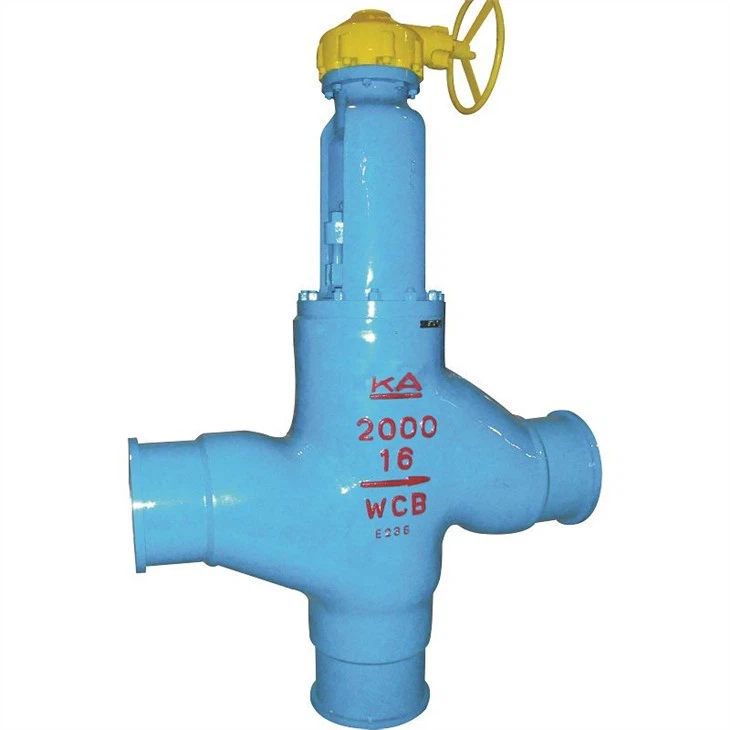
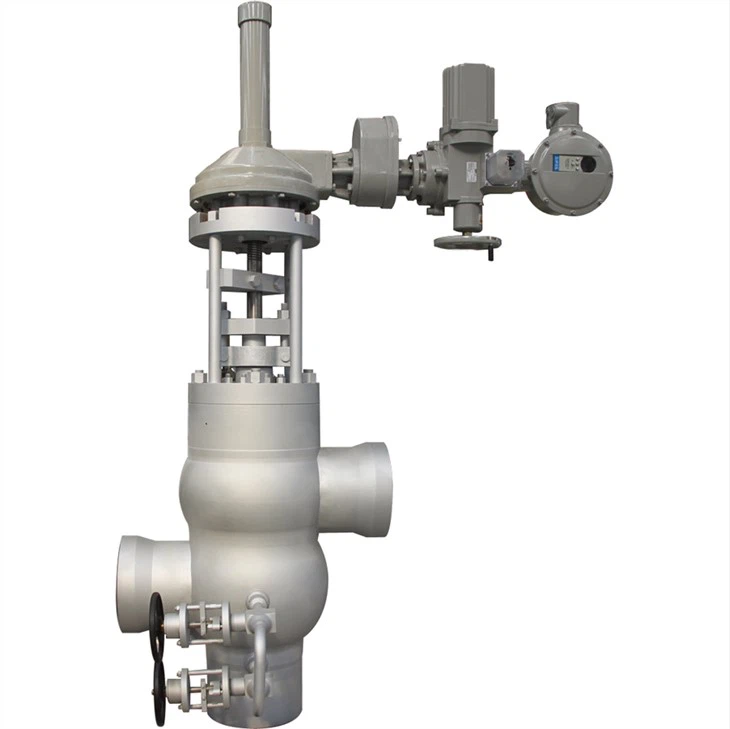


Standard Pattern (T-Pattern) Globe Valve
The T-pattern globe valve is used in extreme throttling cases. For example, they are used in processing plant operations in bypass lines required around control valves. Also, they are used in flow regulation operations where pressure losses in the fluid are not important.
Angle Pattern Globe Valve
This pattern is a modified version of the T-pattern. The angle pattern globe valve has its ends at a right angle, and fluid flows after a 90-degree rotation. Angle pattern globe valves have a higher flow coefficient than the standard pattern globe valves.
Oblique Pattern (Y-pattern) Globe Valves
The oblique pattern globe valve, out of the three globe valves, offers the least obstruction to fluid flow. Because it least obstructs flow, this results in a decreased fluid pressure drop.
Applications of Globe Valves
In industrial processes and systems where flow control is needed, globe valves are highly recommended. They are particularly effective in high-point vents and low-point drains, ensuring leak-tightness and safety. Compared to other types of valves, globe valves have a robust shut-off mechanism, making them less susceptible to leakage and faults.
Globe valves are an excellent choice for addressing leakage issues in both residential and industrial settings. Common industrial applications for globe valves include cooling systems, chemical feed systems, feed water systems, turbine lube oil systems, and any other systems where pressure drop is not a major concern.
Globe valves are used in applications where steady fluid flow is not necessarily required, such as in chemical feed systems and turbine lube oil systems. They are also commonly used in process plants, power plants, and wastewater treatment facilities.
In lubrication systems, steam lines, and coolant pipes, globe valves are essential for regulating fluid flow. Additionally, in commercial and residential buildings, globe valves are in high demand for managing upstream fluid flow.

Globe valves regulate fluid flow by using a movable disc or plug that controls the flow area through the valve.
Body: The main outer casing of the valve that houses the internal components.
Bonnet: The upper portion of the valve that provides access to the interior components and houses the stem.
Disc: A movable component that regulates fluid flow through the valve.
Stem: The rod that connects the disc to the actuator and allows the disc to move.
Seat: The sealing surface that the disc makes contact with to regulate flow.
Throttling: The flow area can be adjusted by shifting the position of the disc, providing precise control of the flow rate. This allows the fluid passing through the valve to be throttled, regulating the volume of fluid flowing through the system.
Shut-off: When the disc is fully closed, it forms a seal against the seat, preventing fluid flow. This shut-off function ensures the ability to isolate sections of the system or completely stop the flow when needed.
Actuation: Globe valves can be actuated manually or with the help of actuators, which can be electric, pneumatic, or hydraulic. These actuators provide the force needed to move the stem and control the disc position.
Steam Flow Control: In steam control systems, the actuator receives inputs from a controller or process instrumentation to adjust the disc position based on the desired flow rate or process conditions. Steam flow is controlled by regulating the position of the disc. As the disc is lifted away from the seat, steam can pass through the valve. Conversely, as the disc moves closer to the seat, the flow area decreases, reducing the steam flow.
1. Body
The body of the globe valve is the primary pressure-containing structure. It is the most substantial part of the valve and contains all the internal parts that come into contact with the fluid being controlled. The body is connected to the bonnet, which assists in containing the fluid, gas, or slurry.
2. Bonnet
The bonnet provides a leakproof closure for the valve body. Different types of bonnets can be used in globe valves, including screw-in, union, or bolted bonnets.
3. Plug or Disc
This is the closure member of the valve. The plug is attached to the stem and can be moved up or down to control the flow of fluid through the valve.
4. Stem
The stem acts as a connector between the actuator and the plug. It transmits the actuation force from the actuator to the plug, allowing the valve to open or close.
5. Cage
The cage surrounds the plug and is located within the valve body. It is crucial for guiding the plug to the seat of the valve, ensuring a good shutoff, and also plays a significant role in determining the flow within the valve.
6. Seat
The seat ring provides a stable and uniform surface for the plug to create a leak-tight seal when the valve is closed. The seats can be screwed in or torqued.

Globe valve body materials
The valve body, the primary structure of the globe valve, is subjected to the internal pressures of the system and must be robust enough to withstand the operating environment. Materials for the valve body are selected based on factors such as strength, corrosion resistance, and cost:
Carbon steel: A popular choice for industrial applications due to its ruggedness and cost-effectiveness. Carbon steel offers a good balance between durability and price, making it suitable for a wide range of globe valve applications where extreme corrosion resistance is not a primary concern. The material is suitable for moderate to high temperatures and pressures, typically up to 800°F (427°C) and 1980 psi (136 bar), depending on the specific grade.
Cast iron: Utilized in less demanding applications, cast iron provides adequate strength for lower pressure and temperature conditions. Its lower cost makes it an attractive option for systems where cost is a significant factor. Cast iron is generally suitable for temperatures up to 450°F (232°C) and pressures up to 250 psi (17.2 bar).
Stainless steel: Chosen for environments where corrosion resistance is paramount. Stainless steel is ideal for applications involving aggressive media or in industries such as food processing and pharmaceuticals, where cleanliness and non-reactivity are crucial. Stainless steel can handle temperatures up to 1000°F (538°C) and pressures up to 3000 psi (207 bar), depending on the alloy.
PVC: PVC globe valves offer excellent corrosion resistance, are lightweight and cost-effective for handling corrosive materials. However, they are not suitable for high-temperature or high-pressure applications. Also, they have lower mechanical strength and thermal stability compared to metals. PVC is suitable for temperatures up to 140°F (60°C) and pressures up to 232 psi (16 bar).
Forged steel: Forged steel globe valves are ideal for high-pressure and high-temperature applications due to their superior strength and durability. The forging process results in a denser, more uniform material structure, offering enhanced mechanical properties and resistance to impact and thermal fatigue. Forged steel is capable of withstanding temperatures up to 1050°F (566°C) and pressures exceeding 6000 psi (414 bar), depending on the grade.
Stem, seat, and disc materials
The stem and disc are critical moving parts of a globe valve, responsible for the actual control of fluid flow. Material selection for these components is essential for ensuring the valve's functional integrity and longevity.
Stem materials: Typically made from stainless steel, the stem must resist corrosion and wear, especially since it is in constant motion against the packing material to prevent leaks. Stainless steel's resistance to galling and seizure under these conditions makes it an ideal choice.
Seat materials: The seat and disc come into direct contact with the fluid and must be made from materials that can withstand the fluid's properties, including corrosiveness and abrasiveness.
PTFE (Teflon): Excellent chemical resistance, low friction, good for non-abrasive fluids.
RTFE (Reinforced PTFE): Improves wear resistance compared to virgin PTFE for slightly abrasive fluids.
Metal: Various grades of stainless steel or bronze offer good wear resistance and high-temperature capabilities for harsher globe valve applications.
Disc materials: Globe valves offer various disc designs:
Plug type disc: Offers maximum erosion resistance with its long and tapered design, making it suitable for applications where erosion is a concern. Stainless steel is widely used for plug type discs, offering excellent erosion resistance due to its durability and corrosion resistance.
Composition disc: Features a flat seat for moderate throttling but is not recommended for high-pressure applications due to its non-aerodynamic surface. Brass or bronze provides a good balance between cost and performance for composition discs.
Ball (conventional) disc: Provides a thin contact area that allows for good seating and moderate throttling. Ceramics are often used to make ball discs.

Selection Tips and Considerations
1. Application and Fluid Compatibility: One of the first considerations when selecting a globe valve is the application and the type of fluid it will be handling. Different applications require different materials and designs to ensure optimal performance and durability. Consider factors such as the fluid's temperature, pressure, corrosiveness, and viscosity to choose the right materials and valve design. Consult with experienced Globe Valve Manufacturers and Suppliers who can provide guidance on material compatibility.
2. Valve Size and Pressure Rating: The valve size and pressure rating must match your system's requirements. Oversized or undersized globe valves can lead to inefficiencies, increased energy consumption, or even system failures. Refer to industry standards and consult with experts to determine the appropriate valve size and pressure rating for your application.
3. Flow Control: Globe valves are versatile when it comes to flow control. They can be used for on-off service or for throttling and regulating flow. If precise flow control is required, consider selecting a valve with a design optimized for throttling applications. Keep in mind that improper flow control can lead to excessive wear and reduced valve lifespan.
4. Materials of Construction: Globe valves are available in various materials, including stainless steel, brass, bronze, cast iron, and more. The choice of material depends on factors like fluid compatibility, temperature, and corrosion resistance. For example, stainless steel is suitable for corrosive fluids, while bronze is often chosen for seawater applications. Consult with Globe Valve Manufacturers and Suppliers to determine the best material for your needs.
5. Bonnet Type: Globe valves have two common bonnet types: bolted bonnet and pressure seal bonnet. The choice between the two depends on the pressure and temperature requirements of your system. Pressure seal bonnets are suitable for high-pressure applications, while bolted bonnets are generally used for lower-pressure systems.
6. Sealing Mechanism: Globe valves can have different sealing mechanisms, including globe, plug, and needle. The choice of sealing mechanism affects the valve's ability to provide a tight shut-off and control the flow accurately. Consider the level of leakage tolerance acceptable for your application and choose the appropriate sealing mechanism accordingly.
7. Actuation: Globe valves can be operated manually, pneumatically, electrically, or hydraulically. The choice of actuation depends on factors like the valve's size, accessibility, and the need for remote control. For large or hard-to-reach valves, automated actuation systems may be necessary for convenience and efficiency.
8. Maintenance and Accessibility: Globe valves, like all mechanical equipment, require regular maintenance. Consider ease of access for maintenance when selecting a valve. Valves with readily accessible components and spare parts availability can reduce downtime and maintenance costs.
9. Compliance with Standards: Ensure that the selected globe valve complies with relevant industry standards and certifications. Compliance with standards ensures the valve's performance, safety, and reliability in your application.
10. Supplier Reputation: Finally, choose Globe Valve Manufacturers and Suppliers with a strong reputation for quality, reliability, and customer support. A reputable supplier can provide valuable guidance, technical expertise, and after-sales support, ensuring a smooth and successful valve installation.

Kaigao Industrial Technology Co., Ltd was established in 2020 with the following investors: Kaifeng High and Middle Pressure Valve Co.,Ltd. Kaifeng Dongli High Pressure Valve Casting Co., Ltd. and Kaifeng Ruiwei Fluid Technology Service Co. The main business includes sales of industrial valves and castings produced in three factories.


FAQ
Q: What is Foreign Trade-Express?
Q: What is the selection criteria for a globe valve?
Q: When selecting valves what factors are to be considered?
Q: How do you size a globe valve?
Q: What is the standard for a globe valve?
Q: What is the formula for valve selection?
Q: How do you choose valve characteristics?
Q: What is the globe valve most suitable for?
Q: What is the most common type of globe valve?
Q: What is the BS standard for a globe valve?
Q: What are the characteristics of a globe valve?
Q: How do you select valve flow characteristics?
Q: What is the principle of globe valve?
Q: What is the most common globe valve?
Q: How to identify a globe valve?
Q: How do I choose a valve rating?
Q: How do you choose valve characteristics?